Water damage restoration that starts with fast control and measured drying.
Call 24 hours a day about water damage at homes and properties in Yakima, Moxee, and the surrounding Central Washington service area. Discuss active water, an assessment, and the next safe steps for your property.
Restoration services
Water damage restorationMold removal & remediationFire damage restorationStorm damage restoration
From extraction to restored space
Find where the water traveled, then dry the structure with a documented plan.
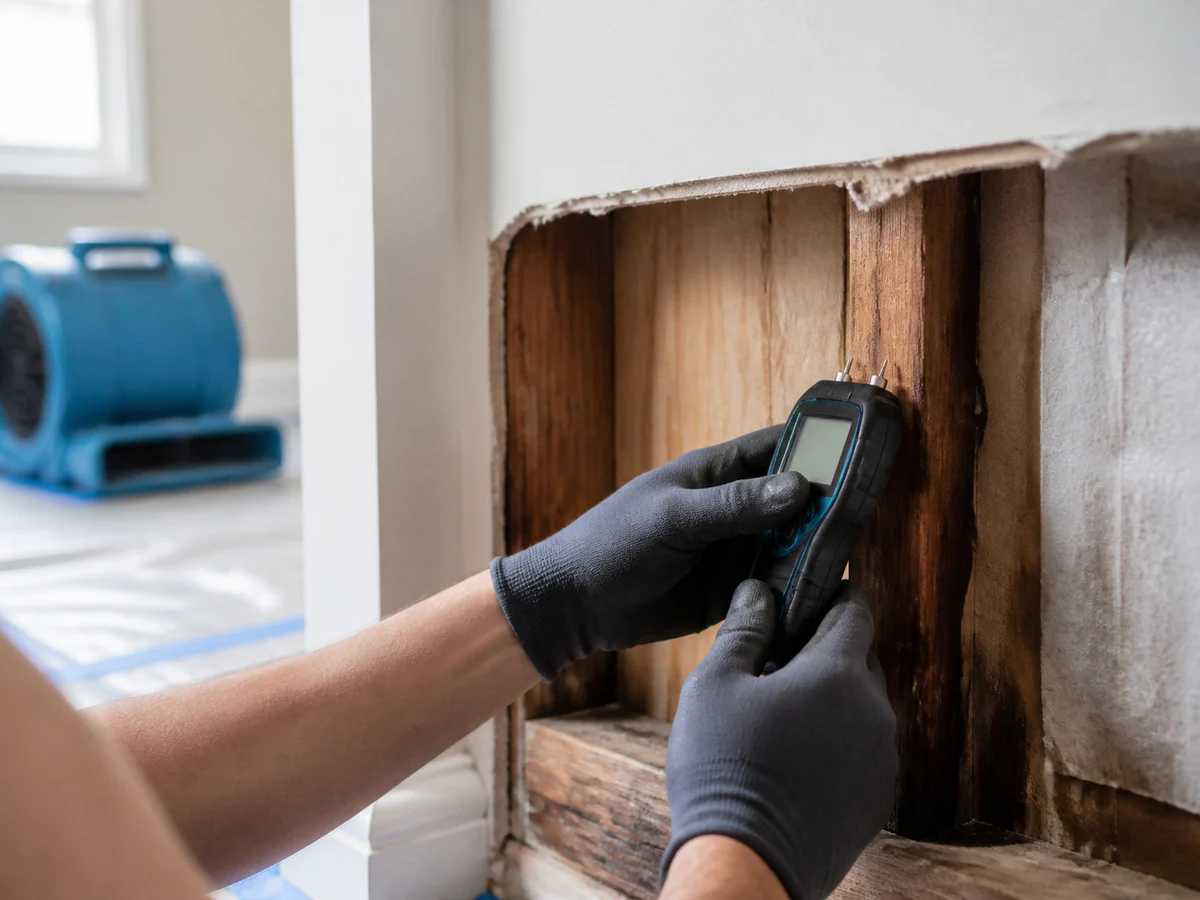
Based in Moxee, 509 Mitigation dispatches across its Central Washington service area; call to confirm service at your property address. Water damage restoration starts with finding where water traveled, then matching extraction, material decisions, and monitored drying to the conditions present in the building.
The restoration plan can include selective material removal, structural drying, cleaning, documentation for the insurance process, contents support, and the repairs needed to return the property to use.
- Emergency water extraction
- Moisture inspection and mapping
- Structural drying and dehumidification
- Selective material removal when needed
- Cleaning and damage documentation
- Restoration and contents coordination
What happens next
- Describe the source, when the water was noticed, and which rooms or materials may be affected.
- Arrange an assessment to identify visible and concealed moisture and discuss safe access.
- Review the proposed extraction, drying, monitoring, and material decisions.
- Coordinate source repair and any later reconstruction with the appropriate provider.
The first-steps guide covers immediate decisions; see what shapes an estimate for the scope questions to discuss.
A controlled recovery sequence
Every step follows the conditions found at the property.
01
Assess and protect
Identify the source, immediate hazards, affected areas, and the first protective action.
02
Control the work area
Stabilize conditions, establish containment or drying zones, and document the starting point.
03
Clean and restore
Remove, clean, dry, or repair materials according to the service-specific plan.
04
Coordinate completion
Support claim and contents records, verify milestones, and complete the restoration path.
Questions before work begins
Know what the assessment and restoration plan need to answer.
Call the 24-hour line when conditions are active. For non-urgent questions, use the service-request form and describe the property, water source, and affected areas. For a practical overview before the call, read first steps after water damage.
How soon should water damage be assessed?
Call promptly when water is still entering, more than one room is affected, materials are saturated, the source may be contaminated, or you do not know where the water traveled.
Can wet drywall or flooring always be dried in place?
Not always. The answer depends on the material, water conditions, duration, access, contamination, and whether moisture can be removed and measured without trapping it inside the assembly.
Can you help with the insurance claim?
We help document restoration conditions and work, and we support the claim process. Coverage and compensation decisions remain with the insurer and policy.
Damage active now?