Mold guide
“Black mold” usually refers to Stachybotrys chartarum, a greenish-black mold that grows on building materials that stay wet. But many molds look dark, and color alone does not tell you which one you have. The questions that decide what to do are where it is growing, how large the area is, and what keeps it wet. That is also where mold removal and remediation starts.
What black mold usually looks like
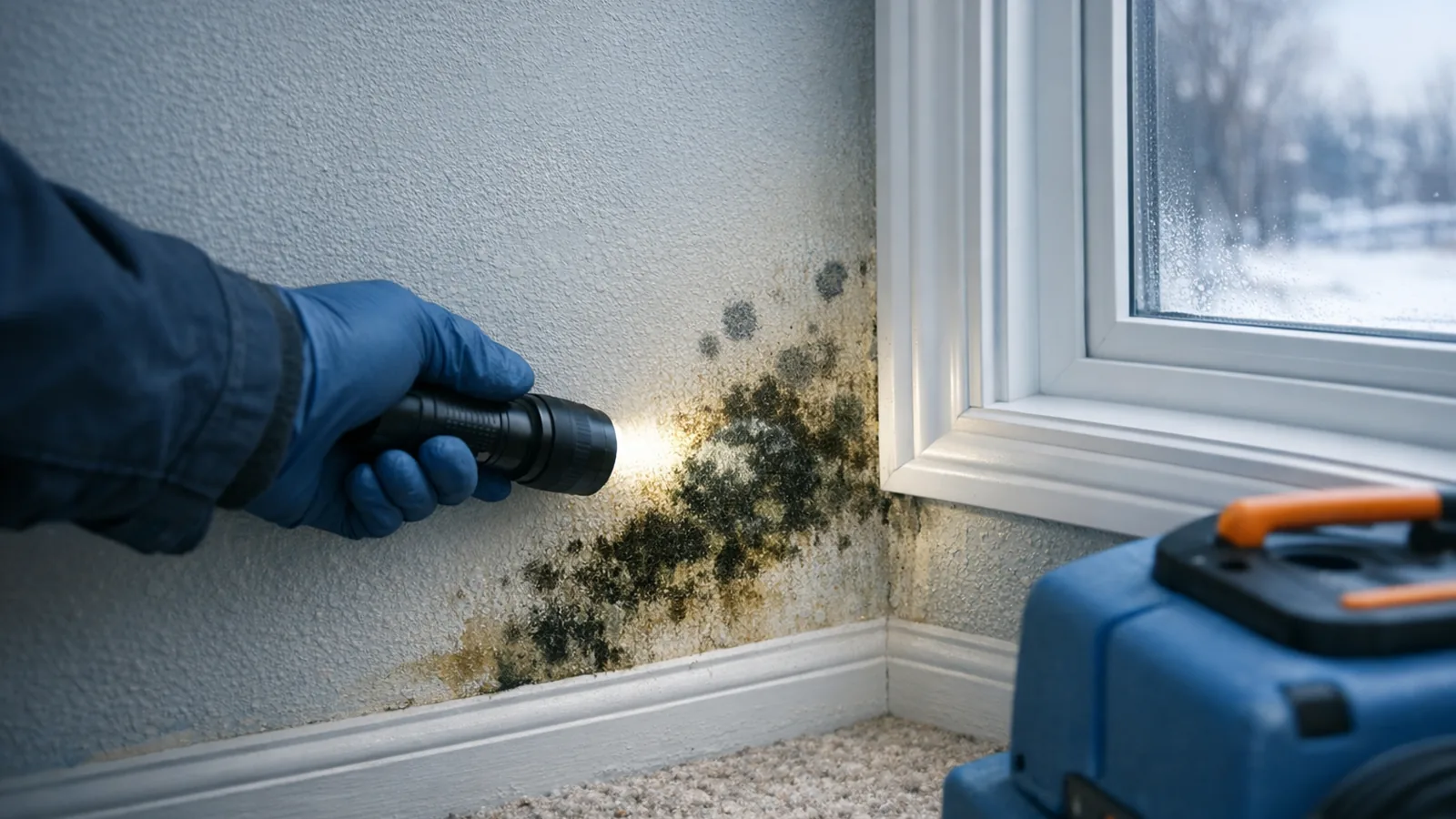
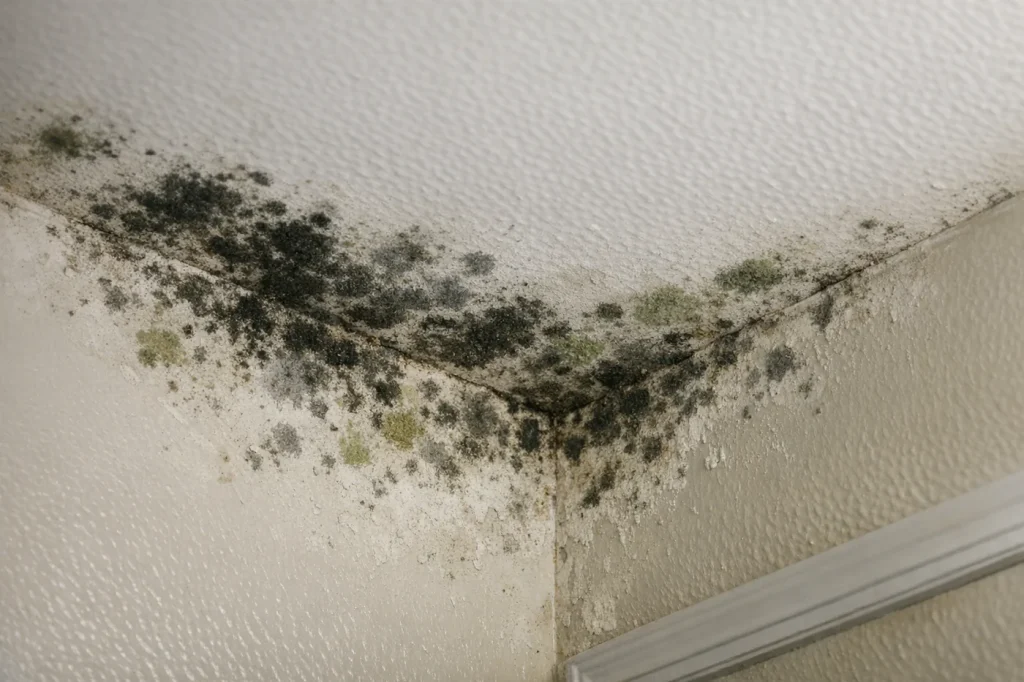
The CDC describes Stachybotrys chartarum as a greenish-black mold. In homes it is usually found on materials that stayed wet for a long time, such as paper-faced drywall, ceiling tile, and wood after a leak or flood.
- Dark green to black spots or patches that spread out from a stain, seam, or corner
- A slimy look when the material is wet and a dry, sooty look when it dries out
- Growth on the back of drywall, under wallpaper, or behind baseboards where a leak was hidden
- Staining that comes back after the surface is wiped
Other common molds can also be black, gray, green, white, or orange, and mildew on grout or window sills often looks dark too. The CDC notes that mold can look like spots of many different colors and often has a musty smell.
Does the type of mold matter?
Less than most people expect. The CDC says it is not necessary to determine what type of mold you have and that all molds should be treated the same with respect to potential health risks and removal. The CDC does not recommend mold testing, and the EPA notes that sampling is usually unnecessary when mold growth is visible and that there are no federal limits for mold. If anyone in the home has health concerns, talk with a medical provider.
Testing can still play a role, for example when hidden growth is suspected but cannot be seen. It is a separate decision from cleanup, and it never replaces finding the moisture source.
Where to look in your home
- Under sinks and behind the dishwasher and refrigerator
- Bathroom ceilings and walls with poor ventilation
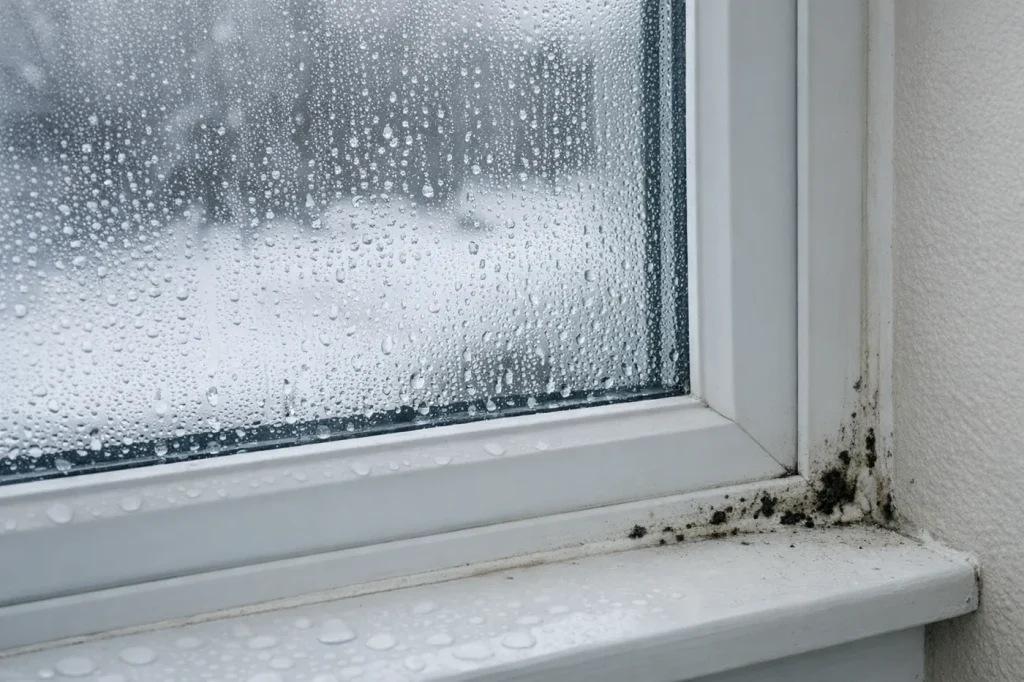
- Window frames and exterior wall corners where condensation forms in winter
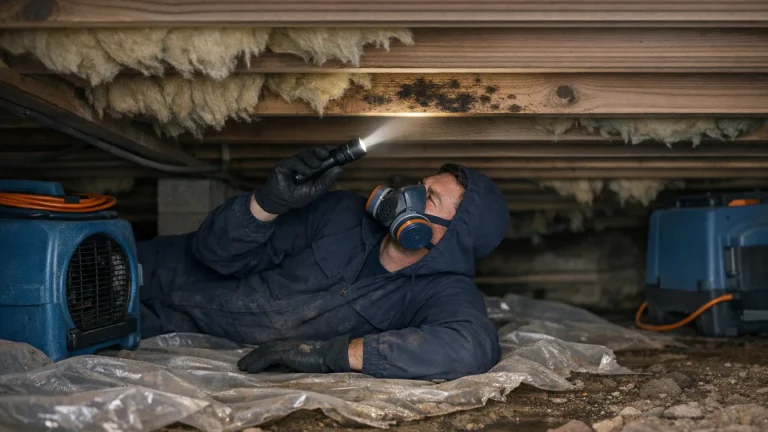
- Basements and crawl spaces
- Ceilings below a roof leak or ice dam
- Behind furniture pushed against cold exterior walls
What to do if you find it
- Do not scrape, sand, or dry-brush the growth; that puts spores into the air.
- Find and stop the moisture source, whether it is a leak, condensation, or high humidity. The CDC recommends keeping indoor humidity no higher than 50 percent.
- Estimate the size of the area. EPA guidance says homeowners can usually clean less than about 10 square feet; larger areas and areas with major water damage need more involved work.
- Expect porous materials such as drywall, insulation, ceiling tile, and carpet with mold growth to need removal rather than surface cleaning.
- Keep people with asthma, allergies, or weakened immune systems away from the area.
When to call for mold remediation
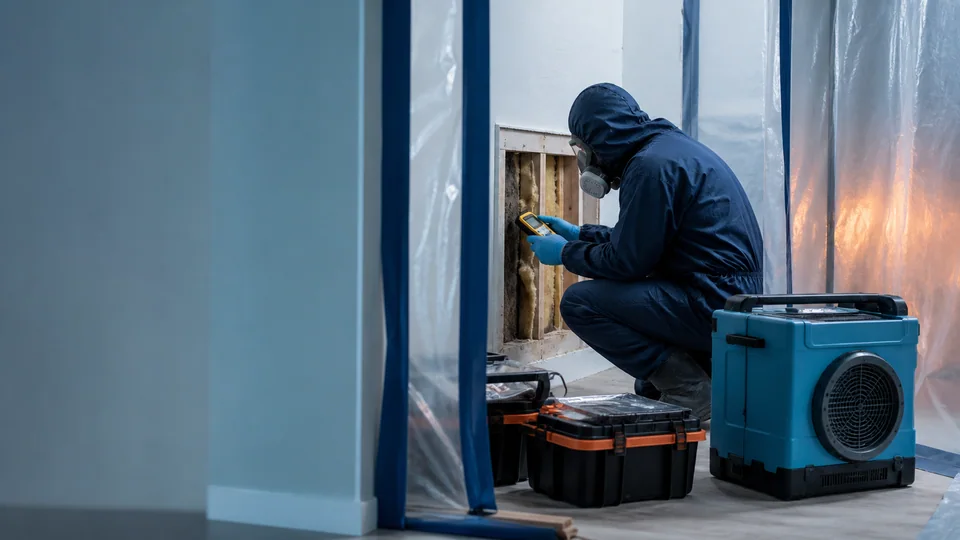
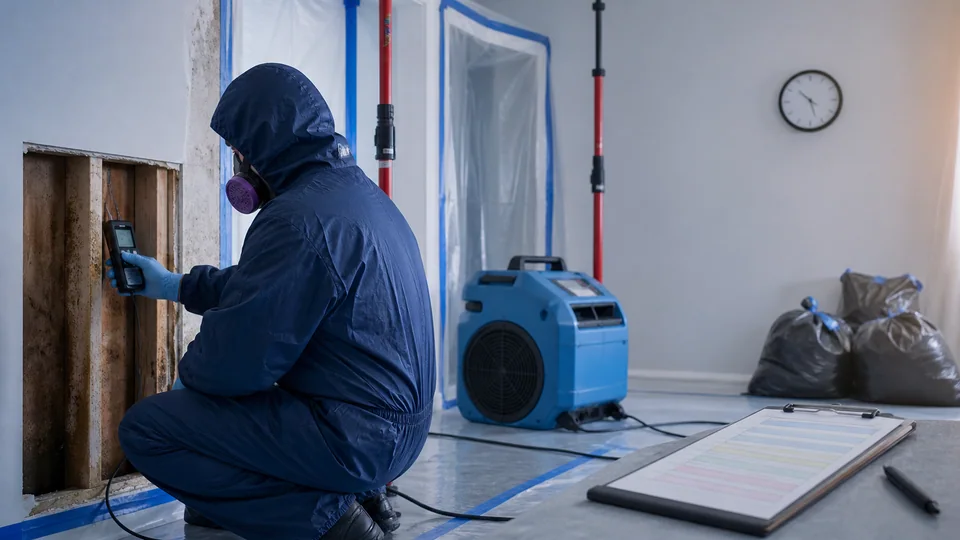
Call when growth is larger than a small patch, keeps coming back, follows a leak or flood, or seems to be inside a wall. 509 Mitigation’s 24-hour line serves Moxee, Yakima, and the surrounding Central Washington service area. Remediation starts with the moisture source and covers containment, controlled removal of affected materials, HEPA cleaning, and drying. Read what shapes a mold remediation scope for the estimate factors and how long mold remediation takes for timing.